
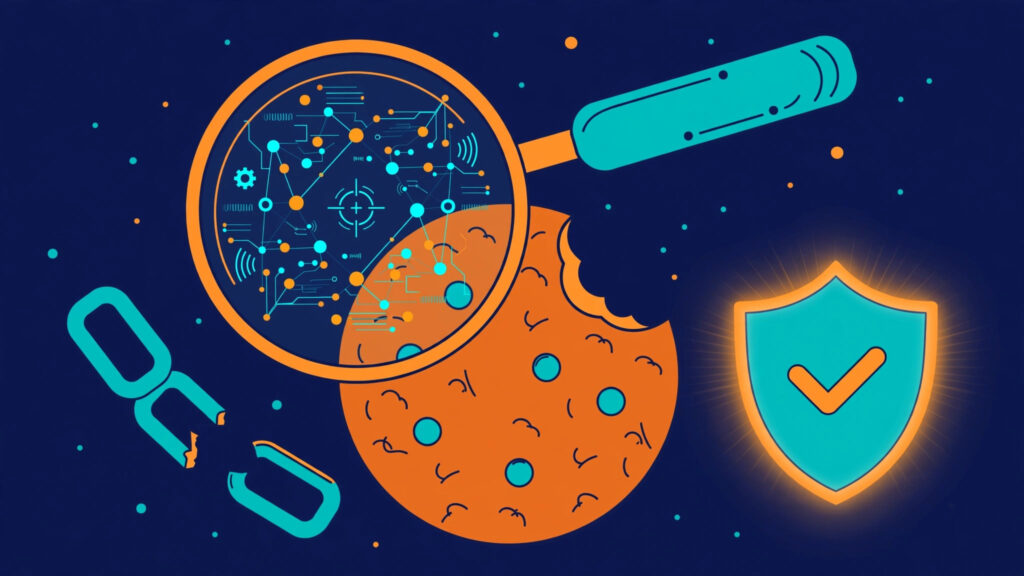
Cookie stuffing is a form of affiliate fraud where someone drops an affiliate tracking cookie onto a visitor’s browser without the visitor ever clicking an affiliate link. If that visitor later buys from the merchant, the stuffer — not the affiliate who actually drove the sale — collects the commission.
Search interest in this question has spiked sharply in recent weeks, as more creators join affiliate programs (from Amazon Associates to TikTok Shop’s affiliate marketplace) and more of them run into suspicious commission patterns. Whether you’re promoting products or running your own affiliate program, here’s what you need to know.
How Cookie Stuffing Works
Affiliate programs track referrals with cookies: a small piece of data stored in the visitor’s browser when they click your affiliate link, usually lasting 24 hours to 30 days. If the visitor buys within that window, you earn the commission.
Cookie stuffing hijacks that mechanism. The typical playbook looks like this:
- The stuffer gets an affiliate link from a program with a generous cookie window.
- They force-load that link invisibly — through a hidden iframe, a pop-under ad, a browser extension, or bundled software — on thousands of visitors who never chose to click anything.
- The cookie is now planted. Most of these visitors will never buy, so most cookies expire harmlessly.
- When a small percentage buys later, the stuffed cookie claims the commission, even though the stuffer did nothing to influence the purchase.
It’s a numbers game: plant enough cookies, and a fraction of them convert — all commission, zero value delivered.
Why This Tactic Is Surging in 2026
Three things are feeding the current wave:
- More programs, more beginners. Affiliate programs are easier to join than ever — Amazon Associates, brand programs, and social-commerce marketplaces like TikTok Shop have all lowered the barrier to entry. New affiliates notice odd patterns in their dashboards and start asking questions.
- Attribution keeps getting murkier. With multi-touch journeys and last-click-wins rules in many programs, stuffed cookies have more chances to intercept credit.
- Fraud tooling got cheaper. The scripts, extensions, and adware kits used for stuffing are widely shared, so low-skill actors can run the scheme at scale.
The result: honest affiliates lose commissions they earned, and merchants pay for sales they would have gotten anyway.
5 Real-World Cookie Stuffing Methods
- Hidden iframes. A 1×1-pixel iframe on a high-traffic page silently loads the merchant’s site with the stuffer’s affiliate ID. The visitor sees nothing.
- Coupon and shopping toolbars. Some browser extensions drop affiliate cookies on every retail site you visit — sometimes overriding the link you actually clicked. This is one of the most common real-world cases.
- Adware and bundled software. Free downloads that inject affiliate cookies into browsing sessions in the background.
- Pop-unders. A window opens behind the main browser and loads the affiliate link. You never see it, but the cookie lands.
- Forced redirects. Typosquatting domains or “deal” pages that bounce you through an affiliate link before landing on the real merchant page.
How It Hurts Honest Affiliates
If you do affiliate marketing the right way — writing reviews, making videos, building trust — cookie stuffing hits you directly:
- Stolen commissions. A stuffer’s cookie can overwrite yours. Many programs credit the last click (or last cookie), so a toolbar that fires after your genuine referral can take the sale.
- Skewed data. When you analyze which content converts, stuffed-cookie interference muddies your numbers and leads to bad decisions about where to invest your effort.
- Merchant distrust. When fraud rates climb, merchants tighten cookie windows, lower commissions, or shut programs down — punishing everyone for the actions of a few.
6 Warning Signs Your Commissions May Be Affected
You can’t see other people’s cookies, but you can watch for patterns:
- Conversions with no matching clicks in your own tracking (your link tracker shows nothing, but the network reports a sale).
- A sudden drop in conversion rate on content that used to perform steadily.
- Sales attributed to “direct” or toolbar sources in programs that show sub-source data.
- Spikes from one affiliate sub-ID that don’t match any campaign you run.
- Merchant or network warnings about invalid traffic tied to your account — sometimes you’re the victim of a stuffed cookie chain, not the cause.
- Unusually short click-to-conversion times across the board, suggesting cookies are being planted rather than earned.
How to Protect Yourself as an Affiliate
You can’t eliminate stuffing, but you can make yourself a harder target:
- Promote reputable programs. Established networks (Amazon Associates, major affiliate networks) invest in fraud detection. Smaller programs with no oversight are riskier territory.
- Read the program terms. Know the cookie window, the attribution rules (first-click vs. last-click), and the policy on toolbars and extensions — so you know when something is off.
- Track your own clicks. Use your own click tracking alongside the network’s reporting. If the network reports far more “clicks” or far fewer conversions than your own data, investigate.
- Avoid shady plugins and extensions on your own devices, and warn your audience too — some “coupon” tools exist mainly to overwrite other affiliates’ cookies.
- Report suspicious activity. Networks have fraud teams. Reporting a toolbar or site that’s clearly stuffing protects the whole ecosystem, including you.
- Keep your disclosures clean. Honest affiliates who disclose (per FTC guidance) and drive real, documented traffic are the ones networks want to keep when they clean house.
If You Run Your Own Affiliate Program
Cookie stuffing also comes from the other side — affiliates stuffing cookies to inflate their payouts from your program:
- Vet affiliates before approving them, especially anyone driving large volumes from day one.
- Watch for the patterns above: sub-IDs with clicks but no landing-page engagement, impossible conversion speeds, traffic spikes from coupon-toolbar sources.
- Write clear anti-fraud terms that explicitly ban cookie stuffing, forced clicks, and undisclosed toolbars — and enforce them.
- Use a platform with fraud controls. If you’re building a program on an all-in-one platform, check what affiliate tracking and fraud safeguards it includes. Our Systeme.io review covers its affiliate-program features, since many small businesses run their programs there.
FAQ
Is cookie stuffing illegal?
It’s fraud, and it violates the terms of every legitimate affiliate program. Depending on the jurisdiction and scale, it can also trigger wire-fraud or computer-fraud statutes. At minimum, it gets accounts banned and commissions clawed back.
Can merchants detect cookie stuffing?
Yes — through click-to-conversion timing analysis, sub-ID audits, traffic-source forensics, and fraud-detection tools. Networks like Amazon and the major affiliate platforms actively hunt for it.
Does cookie stuffing affect Amazon Associates?
Amazon’s 24-hour cookie window limits the damage, but stuffing still happens — particularly through toolbars and extensions that overwrite genuine referral cookies. Amazon terminates accounts caught doing it.
How is cookie stuffing different from cookie dropping?
They’re the same thing — “cookie dropping” is just another name for the practice.
The Bottom Line
Cookie stuffing is simple, old, and still effective — which is exactly why search interest keeps spiking every time a new wave of affiliates enters the market. As an affiliate, your best defenses are reputable programs, your own click tracking, and clean, disclosed promotion. As a merchant, it’s vetting, monitoring, and clear terms.
If you’re building your affiliate strategy from scratch, start with our complete affiliate marketing guide — and if you run paid traffic to affiliate offers, our affiliate compliance Q&A covers the rules that keep your accounts safe.
Affiliate disclosure: RevenueXpressUSA participates in affiliate programs. Some links on this site may earn us a commission at no extra cost to you — it helps keep the guides free.